
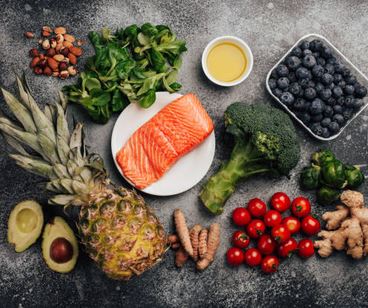
Foods That Support Kidney Health Naturally
Living with chronic kidney disease (CKD) often means making thoughtful choices about what you eat. While no single diet can cure CKD, following an anti-inflammatory eating pattern may help support kidney health, reduce inflammation, and improve overall well-being. When combined with medical care and guidance from a healthcare provider or renal dietitian, a kidney-friendly anti-inflammatory diet can become an important part of managing CKD.
This guide explains what an anti-inflammatory diet is, how it relates to chronic kidney disease, and which foods may help you build balanced, kidney-conscious meals.
What Is an Anti-Inflammatory Diet?
Inflammation is the body's natural response to injury or infection. However, chronic, low-grade inflammation can contribute to the progression of many long-term conditions, including chronic kidney disease.
An anti-inflammatory diet focuses on nutrient-rich foods that provide vitamins, minerals, antioxidants, fiber, and healthy fats while limiting highly processed foods, excess sodium, and added sugars. The goal is to support overall health and reduce inflammation—not to replace medical treatment.
Why Inflammation Matters in CKD
Healthy kidneys filter waste and help regulate fluids, electrolytes, and blood pressure. As kidney function declines, inflammation and oxidative stress may increase, potentially affecting overall health.
A kidney-friendly anti-inflammatory diet may help:
- Support heart health
- Promote healthy blood pressure
- Improve overall nutrition
- Encourage healthy weight management
- Reduce reliance on heavily processed foods
- Support energy levels and general wellness
Diet alone cannot stop CKD progression, but it can be an important part of a comprehensive care plan.
Best Anti-Inflammatory Foods for CKD
1. Colorful Low-Potassium Vegetables
Many vegetables contain antioxidants that help support overall health. Depending on your kidney function and blood potassium levels, suitable options may include:
- Cabbage
- Cauliflower
- Bell peppers
- Onions
- Lettuce
- Cucumber
- Green beans
If you have advanced CKD or elevated potassium levels, ask your healthcare team which vegetables are appropriate for you.
2. Kidney-Friendly Fruits
Fruits provide natural antioxidants and fiber.
Examples that may fit many CKD meal plans include:
- Apples
- Blueberries
- Strawberries
- Grapes
- Cranberries
- Cherries (in appropriate portions)
Fruit recommendations vary based on potassium restrictions and individual health needs.
3. Healthy Fats
Replacing saturated fats with healthier options can support heart health.
Consider moderate amounts of:
- Extra-virgin olive oil
- Avocado oil (if appropriate)
- Unsalted nuts (when phosphorus and potassium intake allows)
- Chia seeds or flaxseeds in suitable portions
Your renal dietitian can help determine the right serving sizes.
4. High-Quality Protein
Protein needs vary depending on your stage of CKD and whether you receive dialysis.
Good options may include:
- Skinless chicken
- Turkey
- Fish
- Egg whites
- Tofu (if appropriate)
- Lean cuts of meat
Avoid consuming excessive amounts of protein unless advised by your healthcare provider.
5. Whole Grains
If permitted in your meal plan, whole grains can provide fiber and nutrients.
Examples include:
- Oats
- Barley
- Brown rice
- Whole-grain bread
- Quinoa (portion sizes may vary)
Your healthcare team may recommend adjustments based on your phosphorus or potassium needs.
Foods That May Increase Inflammation
Limiting these foods can support a healthier eating pattern:
- Processed meats
- Fried foods
- Sugary drinks
- Candy and sweets
- Highly processed snacks
- Fast food
- Foods high in sodium
- Excess saturated fat
- Excessive alcohol
Reading nutrition labels can help you choose lower-sodium products.
Important Nutrients to Monitor
People with CKD often need individualized guidance regarding certain nutrients.
Sodium
Too much sodium can contribute to fluid retention and high blood pressure.
Aim for lower-sodium choices by:
- Cooking more meals at home
- Using herbs and spices instead of salt
- Choosing fresh ingredients whenever possible
Potassium
Some people with CKD need to limit potassium, while others do not.
Your healthcare provider will determine the appropriate level based on blood test results.
Phosphorus
High phosphorus levels may affect bone health.
Foods commonly high in phosphorus include:
- Processed meats
- Cola beverages
- Processed cheese products
- Foods containing phosphate additives
Protein
Protein recommendations depend on kidney function, body size, and whether dialysis is part of your treatment plan.
Never dramatically reduce protein without medical guidance.
Sample One-Day Anti-Inflammatory CKD Meal Plan
Breakfast
- Oatmeal made with water
- Fresh blueberries
- Herbal tea
Morning Snack
- Apple slices
Lunch
- Grilled chicken breast
- Cabbage and cucumber salad with olive oil and lemon
- White or brown rice (if appropriate)
Afternoon Snack
- Unsalted rice cakes with a small amount of natural peanut butter (if allowed)
Dinner
- Baked salmon
- Roasted cauliflower
- Green beans
Evening Snack
- Fresh strawberries
Always adjust meal choices according to your prescribed renal diet.
Lifestyle Habits That Complement an Anti-Inflammatory Diet
Healthy eating works best alongside other positive habits.
Consider:
- Staying physically active within your abilities
- Getting enough sleep
- Managing stress through relaxation techniques
- Following prescribed medications
- Keeping medical appointments
- Monitoring blood pressure and blood sugar if recommended
These habits support overall health and complement dietary changes.
Common Mistakes to Avoid
Many people unintentionally make choices that may not align with their kidney care plan.
Avoid:
- Assuming all "healthy" foods are kidney-friendly
- Using salt substitutes without medical advice (many contain potassium)
- Following restrictive diets without professional guidance
- Eating large portions of high-potassium foods if you've been advised to limit potassium
- Ignoring food labels for sodium and phosphate additives
A personalized nutrition plan is often more effective than a one-size-fits-all diet.
Frequently Asked Questions
Can an anti-inflammatory diet cure CKD?
No. Chronic kidney disease cannot be cured through diet alone. However, a kidney-friendly eating pattern may support overall health and complement medical treatment.
Is olive oil good for CKD?
For many people, olive oil can be a heart-healthy fat that fits into a balanced CKD meal plan. Portion sizes should match your overall nutrition goals.
Are berries good for kidney disease?
Many berries are naturally rich in antioxidants and may be suitable for people with CKD. The best choices depend on your individual potassium needs.
Final Thoughts
An anti-inflammatory diet for CKD focuses on nourishing the body with whole, minimally processed foods while reducing excess sodium, added sugars, and unhealthy fats. When tailored to your stage of kidney disease and personal nutrition needs, this approach can support heart health, improve diet quality, and contribute to overall wellness.
Because CKD nutrition is highly individualized, work with your healthcare provider or a registered renal dietitian before making significant dietary changes. A personalized plan can help you enjoy flavorful meals while meeting your kidney health goals safely.



 Protected by Patchstack